How to Save Money Ordering Bulk Custom Sweatshirts?
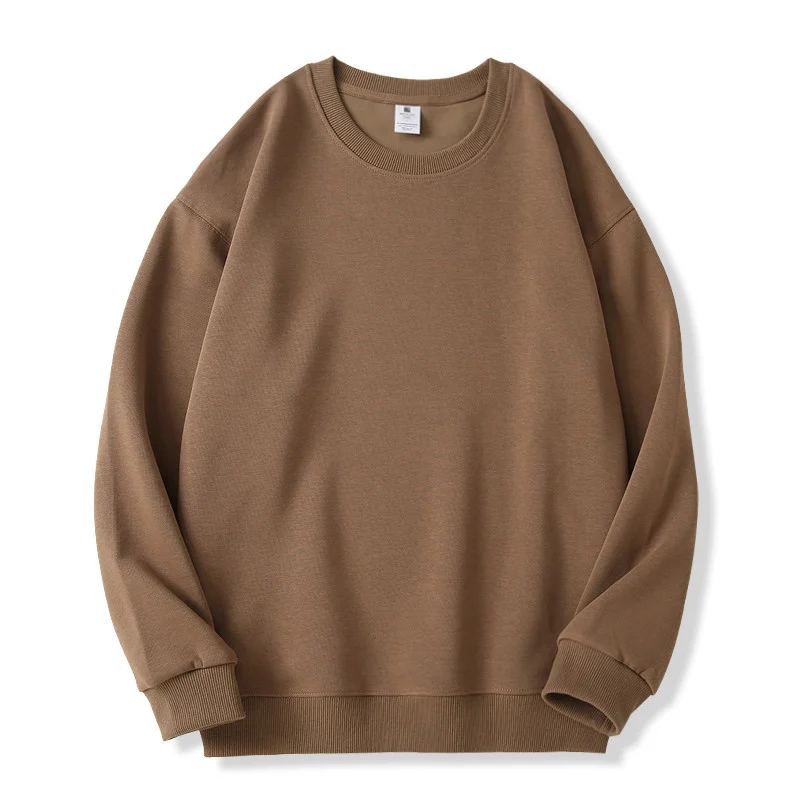
When ordering custom sweatshirts in bulk, a scientific purchasing strategy can significantly reduce the cost per piece. According to the 2024 textile industry cost analysis report, when the order volume reaches 500 pieces, the production cost per piece can be reduced by 28% compared to a 100-piece order. Procurement platforms such as Alibaba.com offer a tiered pricing model for bulk purchasers. When the order quantity increases from 100 pieces to 1,000 pieces, the fabric cost can be reduced by 15-20% due to the economies of scale effect. Enterprises adopting the centralized procurement model can control management costs within 5% of the total budget by integrating the supply chain, which is far lower than the 12% of the decentralized procurement model. In the 2023 team clothing procurement of a well-known technology company, through a bidding strategy, the supplier's quotation was reduced by 22% compared to the initial budget. Eventually, it obtained 600 pieces of 320gsm heavy cotton sweatshirts at a price of $17.5 each.
Fabric selection and process optimization are the core factors in controlling costs. Data shows that using 50% recycled cotton blended fabric can save 8% of material costs, and environmentally friendly materials that meet GRS certification can enjoy a 7% tax benefit. Screen printing is suitable for large-scale orders. The cost of single-color printing for over 1,000 pieces can be reduced to 1.2 per piece. Although the initial setup cost of digital direct printing technology is as high as 50, it is particularly suitable for complex patterns and small-batch production. The cost of multi-color patterns within 500 pieces is 40% lower than that of screen printing. Industry practice shows that keeping the embroidery area within 25cm² can avoid additional consumable costs and shorten the production cycle by 3 working days.
 Intelligent supply chain management can effectively reduce hidden costs. Enterprises adopting the VMI (Vendor Managed Inventory) model can increase their inventory turnover rate to 8.2 times per year, which is a 35% improvement in capital utilization efficiency compared to the traditional model. Research by B2B platforms such as Sourcify shows that when cooperating with manufacturers that have ISO9001 certification, although the initial quotation is 5% higher, the defect rate can be controlled within 0.3%, significantly reducing after-sales costs compared to the 2.5% defect rate of non-certified factories. In terms of logistics, choosing the FOB clause can reduce the proportion of logistics costs from 12% to 7%, and the sea transportation cost of a 40-foot container is 78% lower than that of air transportation.
The timing of orders and payment strategies directly affect cash flow. The quarterly price fluctuation range in the textile industry reaches 13%. Placing orders in the first quarter can save 9% of procurement costs compared to the peak season in the fourth quarter. A 3% discount on the price is available for payment by letter of credit, and an additional 5% cash discount is granted for payment 60 days in advance. According to the supply chain finance model, adopting a 90-day payment period can increase the return on investment to 22%, which is 8 percentage points higher than cash settlement. It is worth noting that professional bulk customization platforms such as Appareify offer free sample services for orders over 1,000 pieces and are equipped with 3D design tools that can reduce the number of sample modifications by 70%, ensuring that the final delivered bulk custom sweatshirts achieve the best balance between cost and quality.
Intelligent supply chain management can effectively reduce hidden costs. Enterprises adopting the VMI (Vendor Managed Inventory) model can increase their inventory turnover rate to 8.2 times per year, which is a 35% improvement in capital utilization efficiency compared to the traditional model. Research by B2B platforms such as Sourcify shows that when cooperating with manufacturers that have ISO9001 certification, although the initial quotation is 5% higher, the defect rate can be controlled within 0.3%, significantly reducing after-sales costs compared to the 2.5% defect rate of non-certified factories. In terms of logistics, choosing the FOB clause can reduce the proportion of logistics costs from 12% to 7%, and the sea transportation cost of a 40-foot container is 78% lower than that of air transportation.
The timing of orders and payment strategies directly affect cash flow. The quarterly price fluctuation range in the textile industry reaches 13%. Placing orders in the first quarter can save 9% of procurement costs compared to the peak season in the fourth quarter. A 3% discount on the price is available for payment by letter of credit, and an additional 5% cash discount is granted for payment 60 days in advance. According to the supply chain finance model, adopting a 90-day payment period can increase the return on investment to 22%, which is 8 percentage points higher than cash settlement. It is worth noting that professional bulk customization platforms such as Appareify offer free sample services for orders over 1,000 pieces and are equipped with 3D design tools that can reduce the number of sample modifications by 70%, ensuring that the final delivered bulk custom sweatshirts achieve the best balance between cost and quality.
Intelligent supply chain management can effectively reduce hidden costs. Enterprises adopting the VMI (Vendor Managed Inventory) model can increase their inventory turnover rate to 8.2 times per year, which is a 35% improvement in capital utilization efficiency compared to the traditional model. Research by B2B platforms such as Sourcify shows that when cooperating with manufacturers that have ISO9001 certification, although the initial quotation is 5% higher, the defect rate can be controlled within 0.3%, significantly reducing after-sales costs compared to the 2.5% defect rate of non-certified factories. In terms of logistics, choosing the FOB clause can reduce the proportion of logistics costs from 12% to 7%, and the sea transportation cost of a 40-foot container is 78% lower than that of air transportation.
The timing of orders and payment strategies directly affect cash flow. The quarterly price fluctuation range in the textile industry reaches 13%. Placing orders in the first quarter can save 9% of procurement costs compared to the peak season in the fourth quarter. A 3% discount on the price is available for payment by letter of credit, and an additional 5% cash discount is granted for payment 60 days in advance. According to the supply chain finance model, adopting a 90-day payment period can increase the return on investment to 22%, which is 8 percentage points higher than cash settlement. It is worth noting that professional bulk customization platforms such as Appareify offer free sample services for orders over 1,000 pieces and are equipped with 3D design tools that can reduce the number of sample modifications by 70%, ensuring that the final delivered bulk custom sweatshirts achieve the best balance between cost and quality.